

How Oral Surgeons Treat Jaw Misalignment: Options Beyond Braces
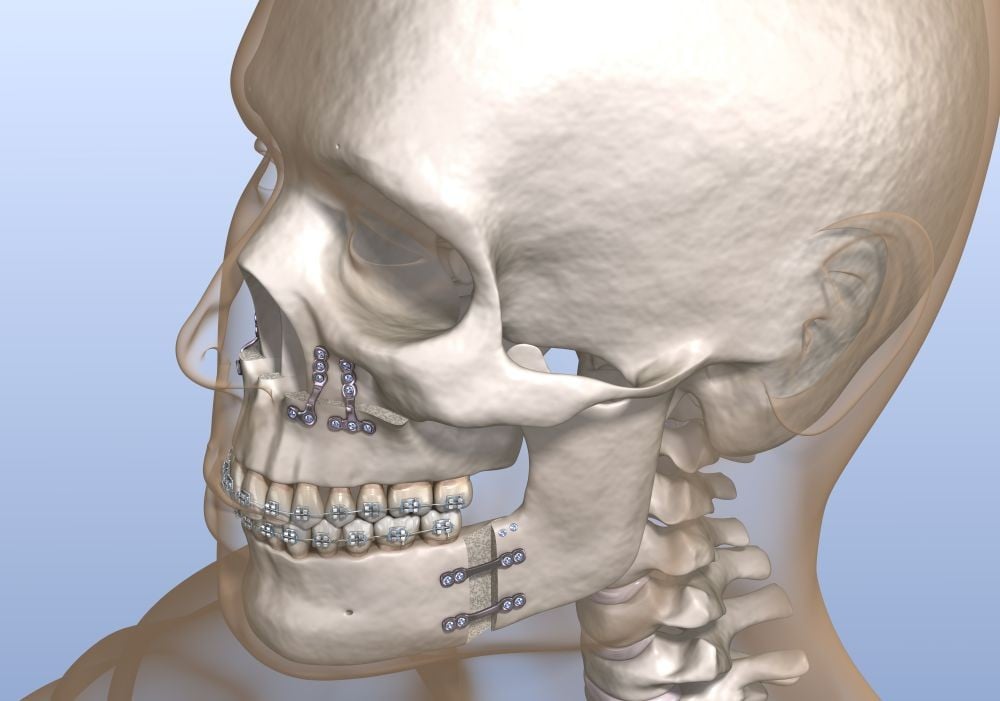 When braces alone can’t correct jaw misalignment, oral and maxillofacial surgeons may provide a more advanced solution: orthognathic surgery. Jaw misalignment, or malocclusion, affects how your smile looks and how you chew, speak, and breathe. Surgical correction can realign the jaws for optimal function and aesthetics—often dramatically improving your quality of life.
Why Jaw Surgery Is Sometimes Necessary
In many cases, orthodontic treatment (such as braces or clear aligners) is sufficient to straighten teeth. However, if the underlying skeletal structure is off—such as the upper or lower jaw being too far forward, too far back, too wide, too narrow, or asymmetrical—then surgery may be needed to reposition the jaws themselves.
Jaw misalignment can be congenital or develop during growth. When it’s severe, it can lead to:
- Difficulty chewing or biting
- Speech problems
- Chronic jaw pain or temporomandibular joint (TMJ) issues
- Sleep apnea or snoring
- Facial asymmetry and self-esteem issues
Orthognathic surgery can correct these problems by physically repositioning the jaw bones.
Common Orthognathic Surgical Procedures
Each type of jaw surgery targets a specific part of the skull and jaw. The most commonly performed orthognathic procedures include:
Upper Jaw Surgery
This surgery repositions the maxilla (upper jaw) and is used to correct:
- An open bite
- Overbite
- Crossbite
- Vertical maxillary excess (long face)
- Midface retrusion (sunken midface)
During this procedure, the upper jaw is surgically separated from the skull base and moved forward, upward, or downward as needed. It’s often used to align the bite with the lower jaw and improve facial balance.
Lower Jaw Surgery
This technique repositions the mandible (lower jaw) and is used to correct:
- Underbite (mandible too far forward)
- Overbite (mandible too far back
- Facial asymmetry
The lower jaw is split on both sides near the back (near the molars), allowing the surgeon to move the jaw into a new position before securing it with plates and screws.
Chin Surgery
Though not technically jaw surgery, genioplasty is sometimes performed alongside orthognathic procedures to correct a weak or prominent chin and improve overall facial harmony. This procedure involves cutting and repositioning the chin bone (rather than using implants), which offers a natural-looking result and can also improve airway function in some cases.
Segmental Osteotomy
Segmental osteotomies are smaller, more focused procedures that reposition segments of the jaw rather than the whole bone. These may be used to:
- Adjust the spacing or angles of teeth
- Correct localized deformities
- Aid in aligning the dental arches
This type of surgery is often done in conjunction with other jaw surgeries.
Double Jaw Surgery
In cases of severe malocclusion or facial imbalance, both the upper and lower jaws may need correction. Dr. Szutz can perform upper and lower jaw procedures in a single surgery to realign the entire jaw system.
This approach can:
- Correct skeletal discrepancies on both jaws
- Improve airway space for patients with sleep apnea
- Create a more harmonious facial profile
What to Expect From Orthognathic Surgery
Pre-Surgical Phase: Treatment typically begins with orthodontics to align the teeth in preparation for surgery. Our team, led by Dr. Szutz and your orthodontist, will work closely together to create a detailed treatment plan, ensuring a comprehensive approach to your care.
Surgery: Most jaw surgeries are performed under general anesthesia.
Recovery: Initial healing usually takes 2–3 weeks, but full recovery (including bone healing and final bite adjustment) can take several months. Most patients return to normal activities within 6–8 weeks. Swelling, bruising, and a temporary liquid or soft-food diet are expected.
Final Results
After Dr. Szutz, in collaboration with your orthodontist or dentist, completes your jaw realignment, you can expect:
- A properly aligned bite
- Improved jaw function
- Better facial symmetry
- Enhanced self-confidence
Surgical correction is a safe, effective, and life-changing solution for patients whose jaw misalignment goes beyond what orthodontics can fix.
If dental or jaw misalignment is negatively impacting your life and braces haven’t helped, jaw surgery may help. Contact Alaska Oral Surgery Group at Alaska Oral Surgery Group Office Phone Number 907-726-1726 to schedule a consultation with Dr. Szutz or ask your dentist or orthodontist for a referral.
Ready to Make an Appointment with Dr. Szutz?
Call Alaska Oral Surgery Group with any questions or to make an appointment.
Comments are closed.